
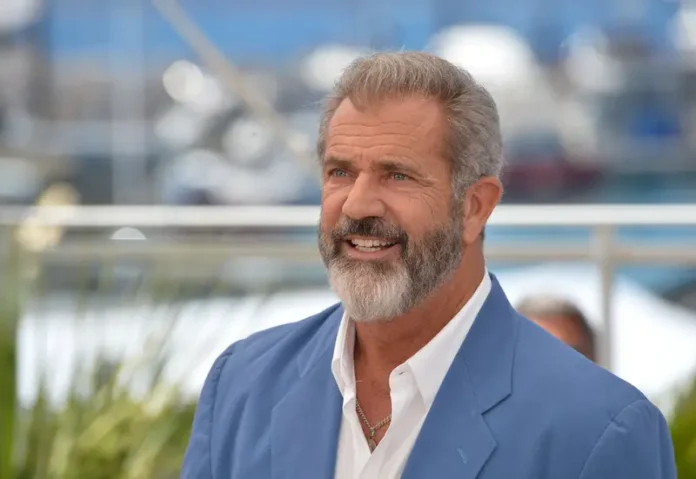
A one-time senior attorney at the Justice Department alleges that people convicted of domestic violence stayed eligible for the government’s new gun-rights restoration program because a superior told her actor Mel Gibson had to receive relief.
Elizabeth Oyer, who was U.S. pardon attorney for roughly three years until March 2025, raises the allegation in a complaint submitted to the department’s inspector general, which The Daily Beast reported on Thursday, Oct. 1, 2026. The filing says Associate Deputy Attorney General Paul Perkins told her domestic violence offenders could not be excluded because “it was necessary to grant relief to Mel Gibson.”
Perkins rejects her account as “categorically false.” He says the program’s scope had not been decided when the conversation she describes took place, and that the department took input from several offices, including the Office on Violence Against Women.
Gibson, 70, the “Lethal Weapon” star, lost his firearm rights after a 2011 no-contest plea to misdemeanor battery of his then-girlfriend, Oksana Grigorieva. The Justice Department restored his rights in April 2025, when he was one of 10 people reinstated by then-Attorney General Pam Bondi. That came about three months after President Donald Trump named Gibson, Jon Voight and Sylvester Stallone as his “ambassadors” to Hollywood.
What Oyer Says Happened
Oyer says the question of whether to cover domestic violence offenders arose in February 2025, while the program was still being designed. She says she urged leaders to exclude those offenders outright or at least consult the Office on Violence Against Women, and that she was overruled because of Gibson’s ties to Trump.
On March 6, 2025, she sent Perkins a memo naming nine recommended candidates, a group leadership had cut from the 95 people her staff had screened through the pardon process. Oyer alleges Perkins told her to add Gibson, who had never gone through that screening.
According to Oyer, Gibson’s lawyer cited his friendship with Trump and his film career in seeking relief. She says Perkins later called to ask whether she could be flexible and hinted that she should recommend him. After she declined, she submitted a memo with background on Gibson but no recommendation, and Todd Blanche, then the deputy attorney general, fired her hours later.
Where the Program Stands
The Justice Department finalized the program’s rules in August. They do not bar people with misdemeanor domestic violence convictions from applying, but the department says it will generally deny them restoration until 10 years after they finish their sentences, absent extraordinary circumstances. The rollout began Sept. 25 with invited candidates only, and the portal opens to the first 5,000 public applicants Nov. 4.
Lawsuit Still Pending
Oyer sued Blanche and the department in federal court in Washington on Thursday, Sept. 3, alleging, among other claims, violations of her due process and First Amendment rights.
Blanche has said Gibson played no part in her firing. At his July confirmation hearing, he told senators he knew nothing about the Gibson matter when he dismissed her, and he attributed the decision to several reasons, including her commutation recommendations. The case is pending.
Advocates Warn of Risk
Tonia Moultry-Pace, interim president and CEO of the National Network to End Domestic Violence, said the change endangers women. She cited research that a male abuser’s risk of killing a female partner rises by 1,000 percent when he has access to a gun, and said keeping firearms from convicted offenders saves lives.
Oyer’s filing also suggests officials were focused on Gibson from the earliest design stage of the program, long before the reports that revealed his rights had been restored.