
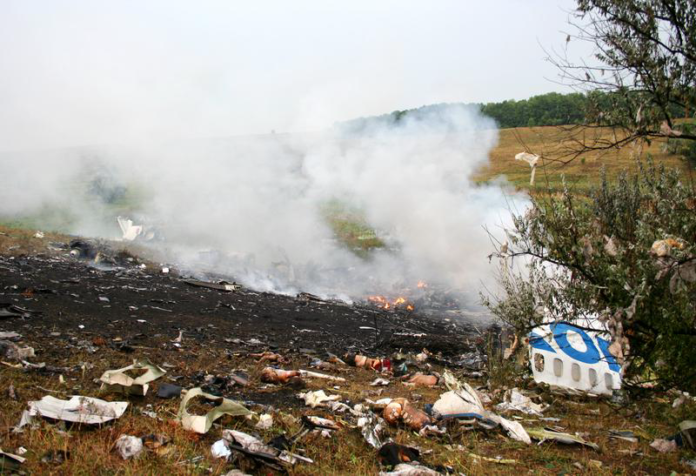
A Colombian military aircraft transporting 126 people crashed during takeoff on March 23, 2026, in the vicinity of Puerto Leguizamo, causing at least 69 deaths and many injuries, establishing it as one of the country’s worst aviation tragedies in recent memory.
The Lockheed Martin-built Hercules C-130 went down just after departing from the small Amazonian community close to the Peruvian frontier. First responders pulled 57 military personnel alive from the wreckage and moved them to secure locations. One service member left the scene without injury.
Defense Minister Pedro Sánchez said the aircraft struck the ground roughly 1.5 kilometers from its departure point, causing onboard munitions to explode and setting the plane ablaze. A fire department official told local news outlets that the plane appeared to impact near the end of the runway during takeoff, with one wing hitting a tree as it descended.
Thick black smoke rose from the crash site as local residents hurried to assist. Video footage circulated online depicted people traveling on motorcycles across dirt roads with wounded soldiers strapped to their backs, trying to reach the town’s two medical clinics before military evacuation arrived. Air Force commander Carlos Fernando Silva later sent two planes equipped with 74 beds to transfer the injured to hospitals in Bogotá and other municipalities.
Rescue operations encountered significant obstacles because of the difficult terrain, Deputy Mayor Carlos Claros told reporters. “I want to thank the people of Puerto Leguizamo who came out to help the victims,” Claros told RCN television. Bodies of the deceased were transported to the town’s small morgue while injured people were flown to larger medical centers for care.
Sánchez described the crash as a “tragic accident,” saying that authorities have found no evidence that rebel forces in the region attacked the plane. He said the plane had been approved as airworthy and the crew was “duly qualified.”
President Gustavo Petro used the tragedy to launch a sharp attack on his predecessor, blaming former President Iván Duque for accepting what he called a “junk” plane from the United States. “Extremely expensive gifts. The maintenance costs more than a new plane, and how much are the lives lost worth?” Petro wrote on X, adding that he had requested the replacement of the Hercules aircraft a year ago. Duque responded, labeling Petro “vile and unintelligent” and demanding a thorough probe into issues including aircraft weight and runway conditions. Carlos Silva also challenged the claims publicly, displaying flight hour records at a televised cabinet session showing the plane had logged 345 hours from 2021 to 2024 and 537 hours in 2025 — generally consistent with normal annual operation. Opposition members noted that reduced flying hours under the Petro government, connected to funding cuts, can result in less experienced crews.
The crash occurred as Petro neared the end of his presidency. He cannot run for reelection, and Colombia’s presidential vote is scheduled for May 31. Multiple candidates expressed condolences and demanded a full investigation.
The plane was a C-130H Hercules, an older variant that first entered service in March 1965, per Lockheed Martin. Records show the aircraft was given to the Colombian Air Force by the U.S. Air Force in September 2020. Aviation specialist Erich Saumeth told the media that the plane underwent a major overhaul in 2023, during which its engines and essential systems were inspected or replaced.
The Hercules C-130 series has been essential to Colombia’s military transport capabilities since the late 1960s. The model made its maiden flight in August 1954 and remains widely used for moving troops during Colombia’s long-running internal war, which has claimed more than 450,000 lives. Colombia has upgraded some aging C-130s with newer U.S.-supplied versions through programs allowing surplus military hardware transfers. The registration number of the crashed plane matches the first of three aircraft recently provided by the U.S.
A Lockheed Martin representative said the firm was committed to helping with Colombia’s investigation.
This incident marks the second significant recent C-130 crash in South America. On February 27, a Bolivian Air Force C-130 ran off the runway in bad weather while landing at El Alto, hit a busy highway, and caused more than 20 deaths. That plane was transporting freshly printed currency, which spilled out and attracted frenzied crowds broken up by police with tear gas.
Puerto Leguizamo, situated in Putumayo province, lies in a remote but strategically significant area of Colombia bordering Ecuador and Peru. The flight was moving military personnel to Puerto Asis, also in Putumayo, near the Ecuadorian border. The region’s isolation made rescue operations especially difficult, with local citizens acting as first responders before official emergency teams could reach the site.
The crash’s cause remains under investigation, and officials stress there is no proof of sabotage or an attack by illegal armed groups. Investigators are currently exploring three scenarios: mechanical malfunction, pilot error, or overloading. Military investigators and aviation specialists will examine the debris, flight records, and witness statements in the coming weeks to determine why the takeoff failed.