
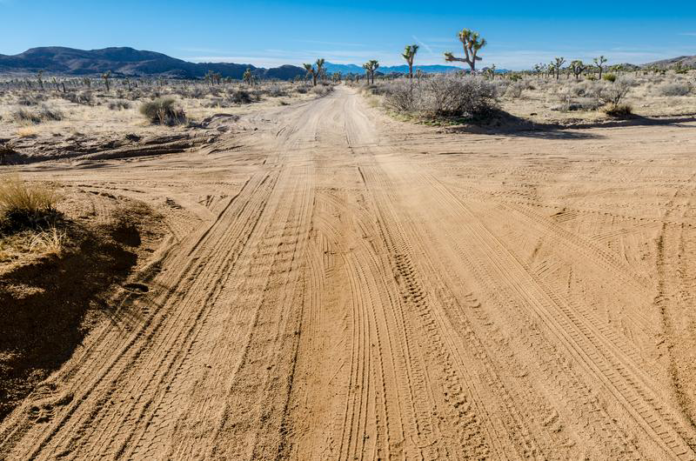
A truck breakdown in the Sahara Desert left 49 Nigerien nationals dead from thirst after they became stranded roughly 80 kilometers (49 miles) west of the border town of Assamaka, authorities announced on June 4, 2026. The victims were traveling home from a Muslim religious festival in neighboring Mali when their vehicle failed in one of Earth’s most hostile environments.
Rescuers buried the victims in mass graves at the location where the tragedy unfolded. Officials described the task as “particularly delicate and emotionally exhausting” for both the recovery team and survivors, with no practical means to transport bodies out of the remote zone far from paved roads.
Two men managed to walk out alive, trekking more than 50 kilometers (31 miles) across sand to find water before continuing to Assamaka, where they finally alerted authorities. According to Niger’s Agadez region governorate, their journey gave the dead their only chance of being discovered.
Frantic Efforts Failed to Save Lives
The vehicle had departed from the Malian town of Talhandek, located about 300 kilometers (187 miles) from the Nigerien border. When the truck ground to a halt after traveling for several days, the driver, his apprentice and passengers all attempted repairs but could not revive the vehicle.
“Deprived of water and unable to repair the vehicle despite the efforts of the driver, his apprentice and passengers, travelers found themselves trapped in the heart of a hostile environment where extreme temperatures and lack of supply points make survival extremely difficult,” the governorate said.
A delegation sent by Agadez Region Governor Gen. Ibra Boulama Issa reached the scene and confirmed the death toll. Photographs released by officials showed bodies scattered around the immobilized truck alongside clothing and personal belongings.
“On the spot, the findings were particularly disturbing. Dozens of lifeless bodies were found under the immobile truck and in its surroundings,” the governorate said in its Facebook post.
A Notorious Transit Zone
The area where the breakdown occurred is a known transit point for migrants from sub-Saharan African nations attempting to reach Algeria, Libya and ultimately Europe. Bodies have repeatedly been discovered in the scorching sands, victims of thirst, starvation or vehicle failures identical to the disaster that struck in early June.
Assamaka serves as a main crossing point between Niger and Algeria and lies close to the Mali frontier. The settlement functions as a way station in one of the world’s harshest transit corridors, where travelers, traders and migrants converge before vanishing into the dunes.
Cross-border travel between Niger and Mali has grown more difficult and more dangerous since political upheavals swept the Sahel beginning in 2020. Formal transport options are scarce, forcing many laborers, traders and pilgrims to squeeze onto overloaded trucks that grind through hundreds of kilometers of trackless desert with little margin for mechanical failure.
Investigation Details Remain Unclear
Authorities in Agadez have not disclosed whether the driver was among the dead or survivors, nor have they released a passenger manifest. The precise length of time passengers waited under the desert sun before water supplies were exhausted remains unclear, as does the cause of the vehicle’s breakdown.
The survivors’ accounts are expected to shape the investigation into what went wrong and why no help arrived sooner. Identifying victims may prove difficult given the conditions and the speed with which burials were carried out.
The rescue mission narrowly averted a second catastrophe. On their return journey, the same team encountered another broken-down truck carrying more than 60 people who had been stranded for three days after a battery failure. That vehicle had set out from the Malian town of Harouba, more than 300 kilometers (186 miles) from the Niger border. Troops distributed water to what officials described as “exhausted and distressed travelers” and helped repair the vehicle, allowing passengers to resume their journey safely.
The governor’s office has not indicated whether charges or further investigations will follow, though officials acknowledged that the toll of desert crossings in this part of Niger continues to mount with little intervention to stop it. For now, the confirmed numbers remain stark: one broken-down truck, two men who walked out, 49 graves dug into the sand west of Assamaka.