
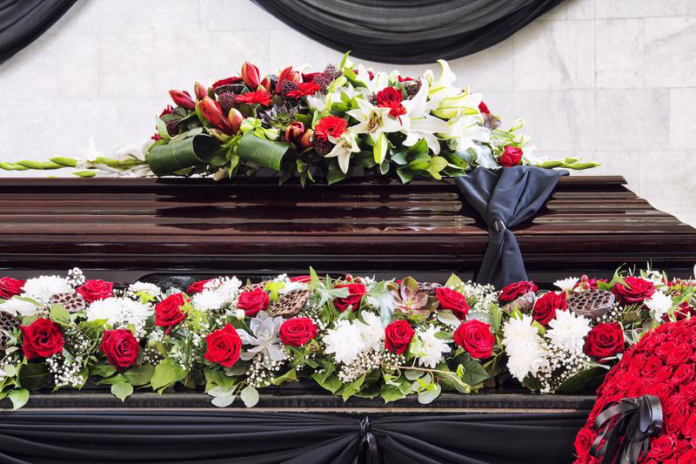
Tooro kingdom buried King Oyo Nyimba Kabamba Iguru Rukidi IV on September 12, 2026, at the royal tombs in Karambi, and named his successor from the pulpit before the service ended.
Musuuga Charles Kamurasi, addressing the mourners, settled a question that had hung over the kingdom for a fortnight. “Tooro has a new king,” he told the congregation. “The council of the Babiito sat and elected Edward Rukidi Nyabwongo I.”
The declaration came without warning in the middle of a funeral service, and it ended a succession argument that had run in public since the king’s death. Clan elders had been meeting behind closed doors in Fort Portal through the week.
A Cause of Death, at Last
The kingdom also disclosed for the first time what had killed him. Oyo died of angiosarcoma, a rare cancer of the blood vessel lining, found on a PET scan during treatment in the United States. Death was pronounced at 2 p.m. U.S. time on August 27. He was 33.
The kingdom had said nothing about the diagnosis for a fortnight, and the silence had fed a good deal of speculation. Angiosarcoma accounts for well under 2 percent of soft tissue cancers and is typically advanced by the time it is found.
The Body Comes Home
The body was flown from the United States and arrived at Karuziika Palace around noon, roughly two hours behind schedule. Thousands had been waiting since early morning along the road from Fort Portal, and the crowd held through the delay.
Pallbearers in ceremonial dress carried the casket into the palace grounds for a viewing that ran into the afternoon. The kingdom had asked mourners to wear bark cloth or white; most did.
Who Came, and Who Did Not
President Yoweri Museveni did not attend. Deputy Speaker Thomas Tayebwa read a message on his behalf, calling Oyo a unifying figure and pledging continued state support for the kingdom’s cultural institutions.
Buganda’s Katikkiro, Charles Peter Mayiga, attended, as did representatives of Bunyoro-Kitara, Busoga and Ankole. Several cabinet ministers were present, along with the Tooro royal family and the Babiito clan leadership who had made the succession decision.
Crowned at Three
Oyo took the throne on September 12, 1995 — 31 years ago to the day — at the age of three, after the death of his father, King Patrick Olimi Kaboyo. He was one of the youngest reigning monarchs in the world, and for the first years of his reign his mother, Queen Best Kemigisa, and a regency council governed in his name.
He assumed full authority at 18 in 2010. His reign coincided with the slow rebuilding of a kingdom that Uganda had abolished in 1967 along with the country’s other traditional monarchies, and that was restored in 1993 with cultural rather than political powers.
Tooro sits in western Uganda, in the foothills of the Rwenzori range, and counts several hundred thousand subjects. The kingdom has no legislative authority; its influence is cultural, and it depends heavily on the goodwill of the central government.
A Reign Measured in Ceremony
Oyo was educated in Uganda and Britain, and kept a lower public profile than the Buganda or Bunyoro courts. He married Nyina Mukama Rwanchwende Gwoku in 2023, and the couple had no children — a fact that made the succession question sharper than it would otherwise have been.
The kingdom’s annual Empango coronation anniversary was his most visible engagement, drawing crowds to Karuziika each September. He also fronted campaigns on maternal health and on preserving Rutooro, the kingdom’s language, which UNESCO has listed as vulnerable.
He had been treated in the United States since earlier this year, and the kingdom had described his absences as a working trip. A statement issued the day after his death confirmed he had been receiving care abroad.
What Happens Next
Edward Rukidi Nyabwongo I has been named but not yet installed. A coronation requires its own set of rites at Karuziika, and the kingdom has not said when they will be held; Tooro custom typically allows a mourning period to run its course first.
The Babiito clan’s choice is expected to be formalized with the Ugandan government, which recognizes cultural leaders under the 2011 Institution of Traditional or Cultural Leaders Act. That recognition is generally a formality once a clan has decided, though it has been withheld before in other kingdoms during contested successions.
Oyo was buried beside his father at Karambi, where the kings of Tooro have been laid since the nineteenth century. The tombs sit about five miles outside Fort Portal, and the kingdom said the site would reopen to visitors after the mourning period.
Uganda has four other recognized kingdoms, and their leaders sent delegations. Bunyoro-Kitara, from which the Babiito dynasty descends and from which Tooro split in the 1830s, was represented at the graveside — a detail the kingdom’s own account drew attention to, given how much of the past two weeks turned on who had the standing to name a king.